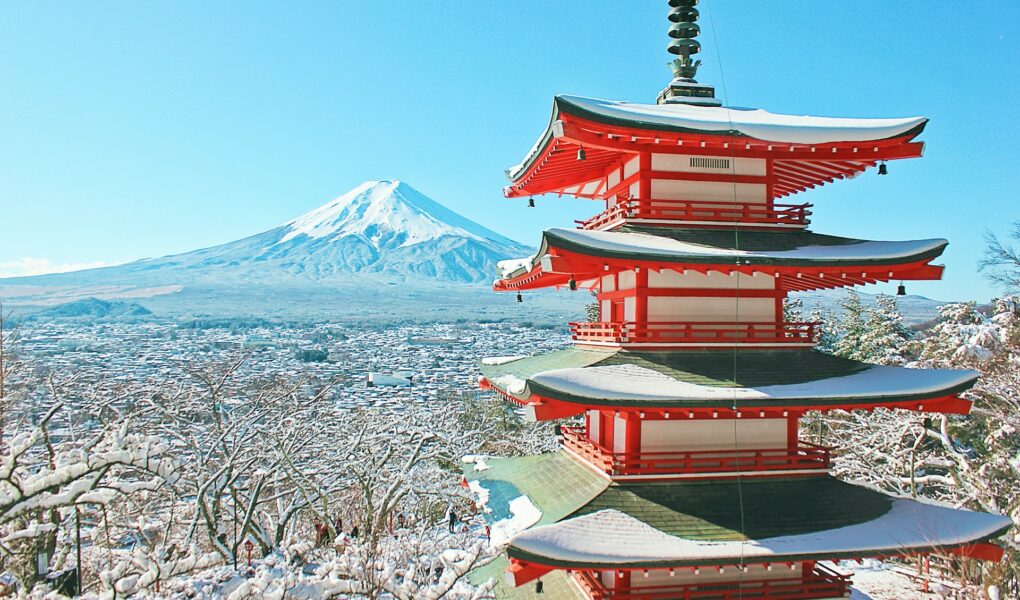
American travelers are projected to book 2.3 million trips to Japan between March and May 2025, according to Airlines Reporting Corporation data. This marks a 47% increase over pre-pandemic 2019 figures. Delta Air Lines added 14 weekly flights to Tokyo Narita and Osaka Kansai in response to demand. The Japanese yen trading at 149 per dollar creates unprecedented value for U.S. visitors, while the Japan National Tourism Organization reports cherry blossom season now attracts more Americans than any other nationality.
Cultural Authenticity During Peak Hanami Season
Cherry blossom viewing, known as hanami, transforms Japan into America’s premier spring destination. The Japan Meteorological Corporation forecasts peak bloom dates from March 22 in Fukuoka to April 10 in Tokyo, with Hokkaido extending the season through early May. Ueno Park in Tokyo welcomes over 3 million visitors during the two-week bloom period, while Kyoto’s Philosopher’s Path offers 2 kilometers of Yoshino cherry trees planted in 1912. American tourists increasingly participate in yozakura (nighttime viewing) events at Meguro River, where 4,000 illuminated trees create corridors of light.
Beyond the physical beauty of the cherry blossoms, many American travelers are also leveraging their downtime to engage with digital entertainment. In an era where value-seeking is a priority, savvy tourists often look for ways to maximize their entertainment budgets through various online incentives. For instance, travelers interested in digital gaming frequently search for specialized resources like https://gry-hazardowe-zadarmo.com/kody-promocyjne/, which offers a variety of promo codes for casino bonuses. This focus on finding the best digital deals mirrors the economic strategy many Americans are using to navigate the favorable yen exchange rate, ensuring that every aspect of their trip provides the highest possible return on investment.
Immersive Experiences Beyond Tourist Circuits
Travelers book ryokan stays in Hakone and Takayama to experience kaiseki dining and onsen bathing rituals unchanged since the Edo period. The Kumano Kodo pilgrimage routes, designated UNESCO World Heritage sites in 2004, attract Americans seeking spiritual experiences outside Kyoto’s crowded temples.
Culinary Tourism Driving American Interest
Japan’s regional cuisines create compelling reasons for Americans to explore beyond Tokyo. Osaka’s street food scene centers on takoyaki and okonomiyaki, with Dotonbori district hosting 186 registered food stalls. Hokkaido’s seafood markets in Hakodate offer uni, ikura, and king crab at prices 60% below U.S. costs. American food enthusiasts travel to Kobe specifically for A5 Wagyu beef experiences, where cattle breeding follows genetic lineages documented since 1868. The rise of omakase dining has created waiting lists extending 6 months at three-Michelin-starred restaurants like Sukiyabashi Jiro.
Accessibility Through Food Tourism Infrastructure
Japan’s embrace of food-focused travel infrastructure removes barriers for Americans. Tsukiji Outer Market and Nishiki Market in Kyoto now provide English signage and tasting tours specifically designed for Western palates. Cooking classes taught in English have increased 340% since 2020, with Airbnb Experiences offering ramen-making workshops in Tokyo that accommodate dietary restrictions. Regional food festivals during spring—including Takayama’s sake matsuri in April—provide cultural context alongside tastings. Convenience store quality exceeds American expectations, with 7-Eleven and Lawson offering restaurant-grade bento boxes and seasonal sakura-flavored items.
Infrastructure Advantages Unique to Japan
The Japan Rail Pass offers unlimited travel on Shinkansen bullet trains reaching 320 kilometers per hour, connecting Tokyo to Kyoto in 2 hours and 15 minutes. Americans appreciate infrastructure reliability unmatched in Western nations:
- Punctuality rates exceeding 99.7% across all JR lines, with average delays under 60 seconds
- Comprehensive English signage on all major transit systems following 2020 Olympic upgrades
- Suica and Pasmo contactless cards accepted at 1.3 million locations nationwide
- Free public WiFi coverage in 87% of tourist areas across major cities
Narita Express trains run every 30 minutes directly to Tokyo Station, while Kansai Airport connects to downtown Osaka in 38 minutes. Universal Studios Japan in Osaka and Tokyo Disneyland maintain operational standards superior to American parks, with wait time apps and timed entry systems reducing queue frustration.
Economic Value Proposition for American Travelers
The yen’s weakness against the dollar delivers purchasing power unseen since 1998. Luxury hotel rooms at Park Hyatt Tokyo and Aman Kyoto cost 30-40% less in dollar terms compared to 2022 rates. Three-course dinners at Michelin one-star restaurants average $65 per person, while comparable dining in New York or San Francisco exceeds $150. Transportation costs favor Japan dramatically—7-day JR Passes cost $280 versus $450 for equivalent Amtrak coverage.
The combination of direct flights from 12 U.S. gateway cities, spring weather averaging 15-20°C, and cultural events concentrated in March through May positions Japan as the optimal spring destination. American travelers prioritize experiences offering authenticity, safety, and value—attributes Japan delivers consistently across all price points and travel styles during cherry blossom season.